


A Wonderful Life with Vinyl
Choose a record by an artist you love.
Place it on the turntable and take a moment to admire the sleeve.
Lower the stylus onto the record.
It takes a little extra effort.
But even that time becomes part of the music.
Why not begin your own wonderful vinyl journey with NAGAOKA?
Getting Started with Vinyl Records
"Do I need a record player?"
"What kind of records should I choose?"
"What equipment do I need to listen?"
Many people have these questions.
Start by choosing one record you would like to hear.
Then prepare a record player and the equipment you need to hear the sound.
There is no need to overthink it.
These days, simple audio systems designed for beginners are also available.
First, try listening to music you love on vinyl.
From there, we recommend gradually exploring records and equipment that suit your tastes.
What You Need to Enjoy Vinyl Records
For anyone who wants to start listening to vinyl but is not sure what to prepare first.
1. Record Player
A record player spins the record and reads the sound recorded in its grooves.
2. Amplifier and Speakers
These turn the signal from your record player into sound you can hear.
* A phono equalizer (phono preamplifier) is required to play records. It can be built into the amplifier, record player, or speakers.
3. Records You Want to Hear
Start with your favorite artists or the music you usually listen to.
You do not need to have the perfect setup right from the beginning.
Caring for Your Records
Regular care is important if you want to enjoy your records for years to come.
Dust and dirt on a record can cause noise and skipping during playback.
NAGAOKA recommends cleaning records before listening to them and before putting them away.
1. Using Cleaning Fluid (Routine Cleaning)
Spray the record with a record-cleaning spray (SP-558, SP-562, SP-601, or SPW-01).
2. Clean Along the Grooves
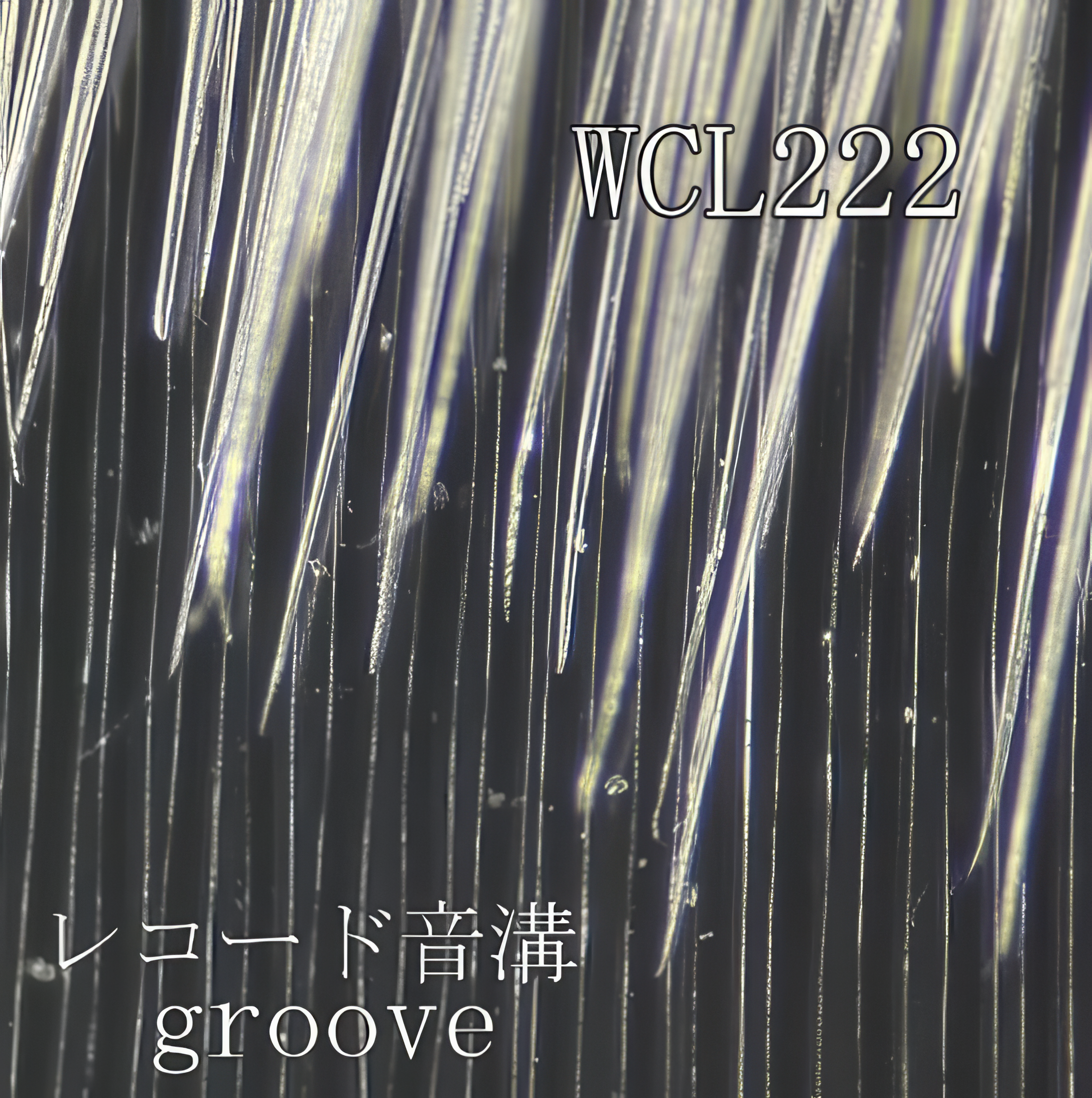
Use a record cleaner, such as the long-selling Argent CL-120 or the Ultra-Fine Brush WCL-222 with approximately 120,000 specially designed bristles, to gently remove dirt along the record grooves.
3. Let Records Dry Before Putting Them Away
After cleaning, check that the record is dry before returning it to its sleeve. Regular care helps you enjoy records in better condition. Options include the long-selling RSLP/2 and GRS-LP10 glassine inner sleeves, which also help protect records from moisture. Keeping records clean can be part of the pleasure of vinyl, just as listening to them is.
If you are new to vinyl, start by preparing a record cleaner and cleaning fluid. You can watch demonstrations of different cleaning methods on NAGAOKA's official channel.
Stylus Care and Replacement
Cleaning the stylus tip is just as important as cleaning the record.
Leaving dust and dirt on the stylus tip can lead to:
* Skipping
* Reduced sound quality
* Poor tracking
* Damage to the record
These are some of the problems that may occur.
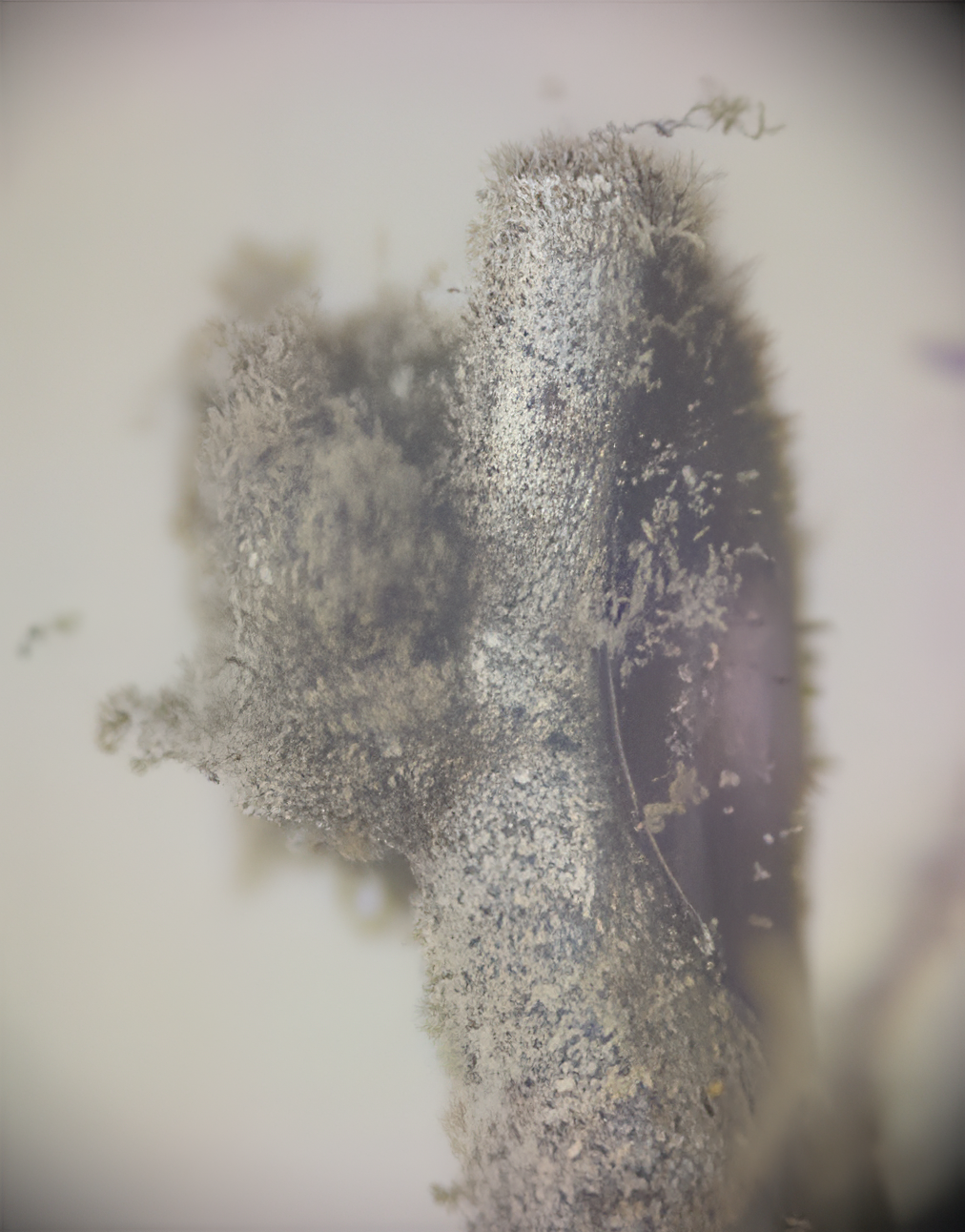
We recommend cleaning the stylus tip regularly to keep your record playback in good condition.
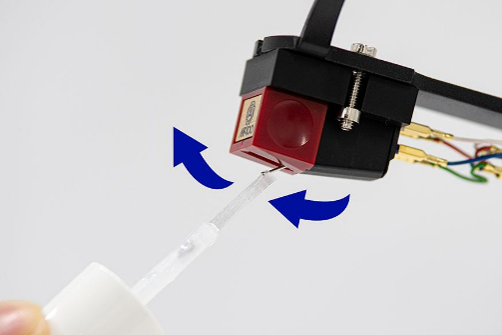
Our dedicated stylus-cleaning product is Hi-Clean AM-801/2.
As shown in the photographs, gently clean the stylus tip with the brush moistened with cleaning fluid.
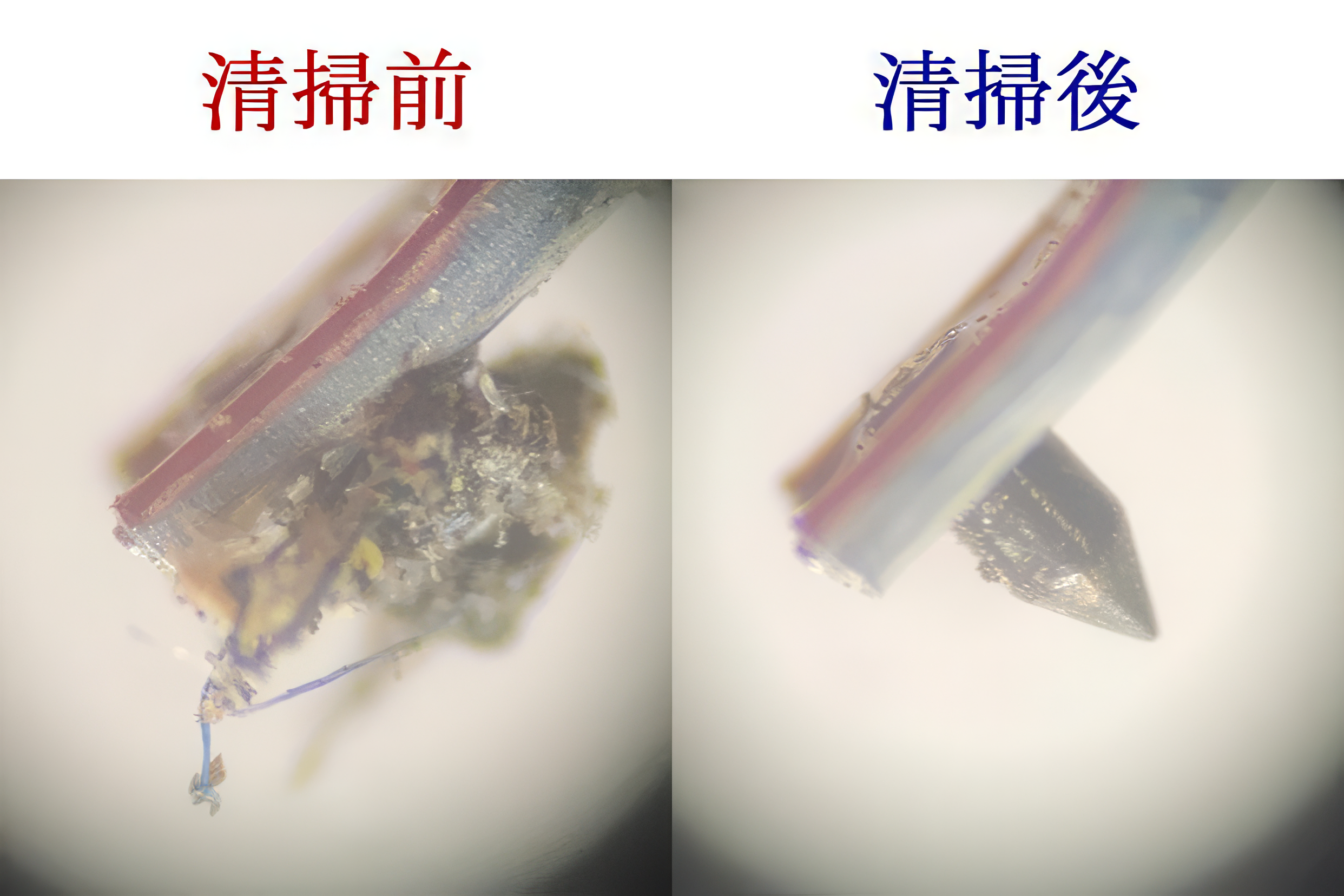
The cleaning fluid is formulated to evaporate as quickly as possible after cleaning.
When you have finished, return the brush to the bottle, close the cap, and shake well to remove dirt from the brush.
If the cleaning fluid becomes discolored, we recommend replacing the product.
In June 2026, we also introduced the SBR01 Stylus Cleaning Brush in response to requests for a brush for everyday dust removal.
SBR01 is a brush designed specifically for record styli, using a specially shaped, mushroom-like brush with an antistatic treatment.
Using SBR01 together with AM-801/2 can provide more effective stylus-tip cleaning. Maintain both your records and your stylus regularly for a more enjoyable listening experience.
Storing Your Valuable Records
Proper storage is important for keeping records in good condition over the long term.
Pay a little attention to how you store your records.
This will help keep them clean and in good condition for many years.
1. Store Records Upright
As a general rule, store records upright rather than stacking them flat.
Stacking records flat may cause them to warp.
2. Avoid Direct Sunlight, Heat, and Humidity
Records are affected by heat and moisture, so avoid storing them in direct sunlight or in hot, humid places. Excessive humidity may cause mold to develop on sleeves and labels.
3. Use Dedicated Inner Sleeves
We recommend dedicated record inner sleeves to protect records from dust and scratches.
NAGAOKA offers the long-selling RSLP/2 antistatic inner sleeves and GRS-LP10 glassine inner sleeves, which resist moisture and are suitable for long-term storage. Both are recommended options.
4. Do Not Pack Records Too Tightly
Leave enough space to take records out and put them away easily.
The key is to protect your records from heat, moisture, and dust.
Because every record matters, take care of it even when you are not listening, so you can enjoy it for years to come.


